Window mode follows your eyes with your camera, in this browser only: no picture or position leaves your device.
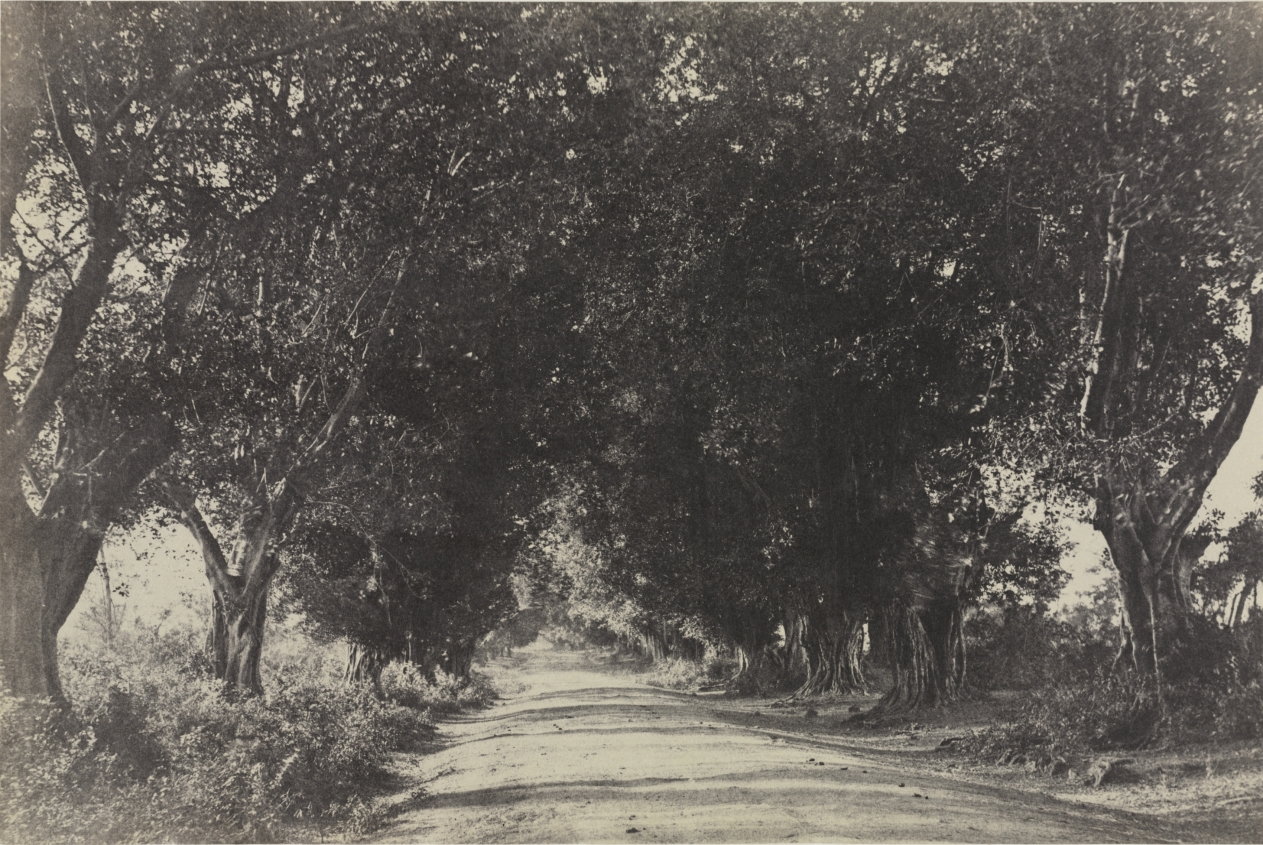
Detail of mangrove roots
2008-07-09
- Classification
- Photograph
- Museum
- Wikimedia Commons
- Rights
- CC BY-SA 3.0, as the museum states it.
- Who can see it
- Kids profiles and older: it shows nature, places, still life or a children's book. How works are placed
About this work
Detail of red mangrove (Rhizophora mangle) roots in Prado, Bahia state, Brazil.
Mangroves are various kinds of trees up to medium height and shrubs that grow in saline coastal sediment habitats in the tropics and subtropics – mainly between latitudes 25° N and 25° S. The remaining mangrove forest areas of the world in 2000 was 53,190 square miles (137,760 km²) spanning 118 countries and territories.[1][2] The word is used in at least three senses: (1) most broadly to refer to the habitat and entire plant assemblage or mangal,[3][page needed] for which the terms mangrove forest biome, mangrove swamp and mangrove forest are also used, (2) to refer to all trees and large shrubs in the mangrove swamp, and (3) narrowly to refer to the mangrove family of plants, the Rhizophoraceae, or even more specifically just to mangrove trees of the genus Rhizophora. The term "mangrove" comes to English from Spanish (perhaps by way of Portuguese), and is of Caribbean origin, likely Taíno. It was earlier "mangrow" (from Portugues mangue or Spanish mangle), but this was corrupted via folk etymology influence of "grove".The mangrove biome, or mangal, is a distinct saline woodland or shrubland habitat…