Planet Earth
Our only home.

Artemis II Astronauts Check Out Some Flight Hardware on This Week @NASA – November 24, 2023
Some Artemis II astronauts check out some flight hardware, a mission that will map millions of galaxies, and studying disturbances in the atmosphere … a few of the stories to tell you about – T...
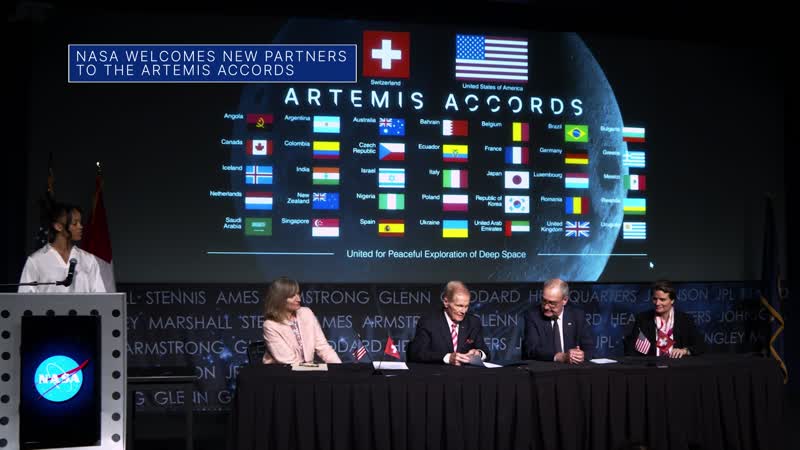
NASA Welcomes New Partners to the Artemis Accords This Week @NASA – April 19
More partners in space exploration, new data measuring ocean health, air quality and our climate, and an upgrade to testing facilities for Artemis II … a few of the stories to tell you about –...

Discussing the Strong State of NASA on This Week @NASA – March 15, 2024
Discussing the strong state of NASA, a safe return from the space station, and testing critical hardware for a future mission … a few of the stories to tell you about – This Week at NASA!
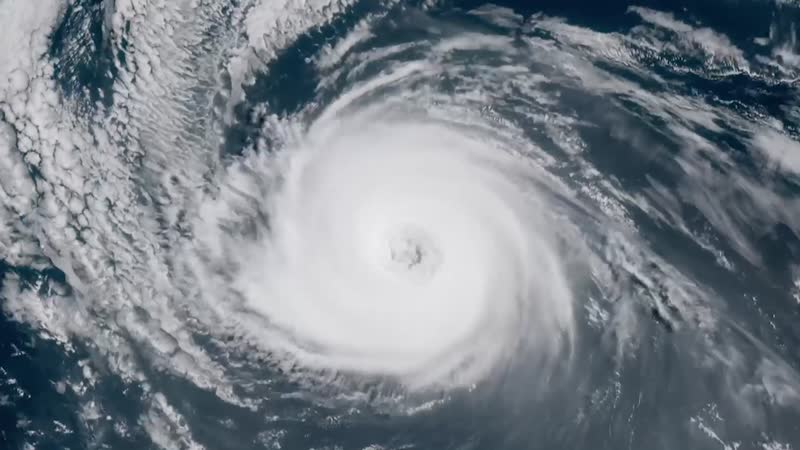
Launching a New Earth-Observing Satellite on This Week @NASA – March 4, 2022
Launching a new Earth-observing satellite, things continue to line up for the James Webb Space Telescope, and imagining the future of aviation … a few of the stories to tell you about – This We...
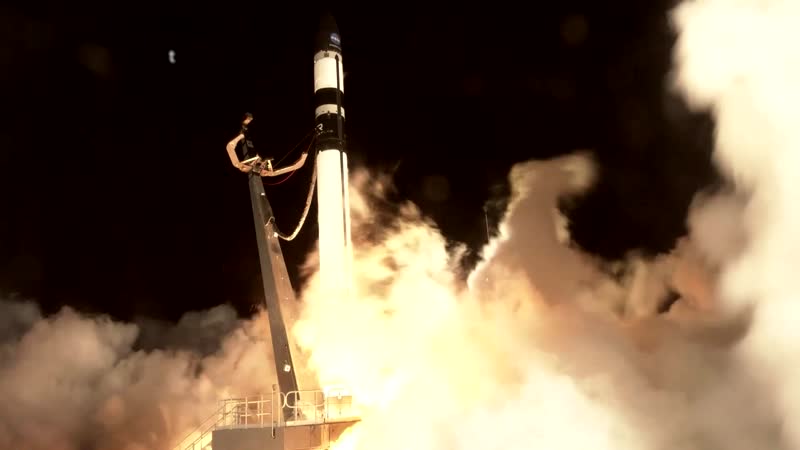
Launching a Pair of Earth-Observing Small Satellites on This Week @NASA – May 31, 2024
Launching a pair of Earth-observing small satellites, an intriguing planet discovered outside of our solar system, and its “full cruise ahead” for our mission to a metal-rich asteroid … a few...

TIRS TVAC1 Opening The Vacuum Chamber
The Thermal InfraRed Sensor (TIRS) is part of the Landsat Data Continuity Mission (LDCM) to continue thermal imaging and to support emerging applications such as evapotranspiration rate measurement...

Introducing NASA’s NEW Earth System Observatory
NASA is introducing the Earth System Observatory – an array of satellites, instruments and missions that are going to collect a series of critical observations. These observations will better inf...

LDCM Spacecraft Rotating
Model of the Landsat Data Continuity Mission, rotating.

LDCM Spacecraft Beauty Pass 2
animation of the Landsat Data Continuity Mission (LDCM) spacecraft in orbit around the Earth. The satellite will travel at 7.5 km/second, circling the globe every 99 minutes at an altitude of 438 m...
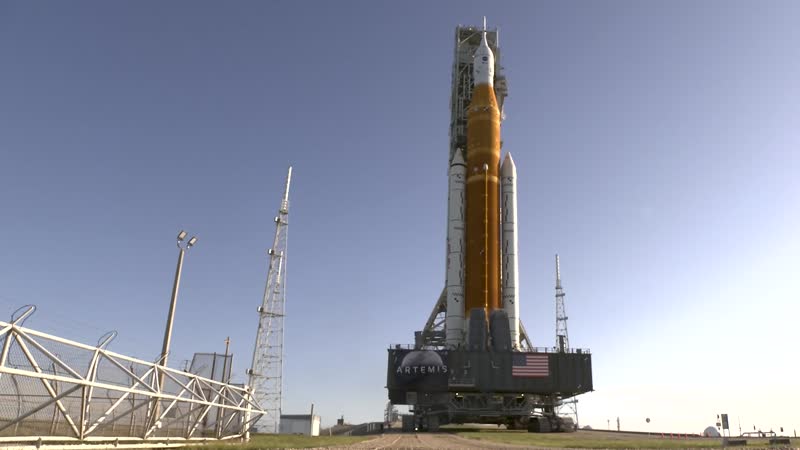
The Next Prelaunch Rehearsal Before Our Artemis I Moon Mission on This Week @NASA June 17, 2022
The next prelaunch rehearsal before launch of our Artemis I Moon mission, news about some NASA astronomy missions, and a critical milestone for an Earth-observing satellite … a few of the stories...

Landsat—From the Archives
The Landsat program is the longest continuous global record of Earth observations from space — ever. On July 23, 1972 NASA launched the first satellite in this program, then known as ERTS, the Ea...
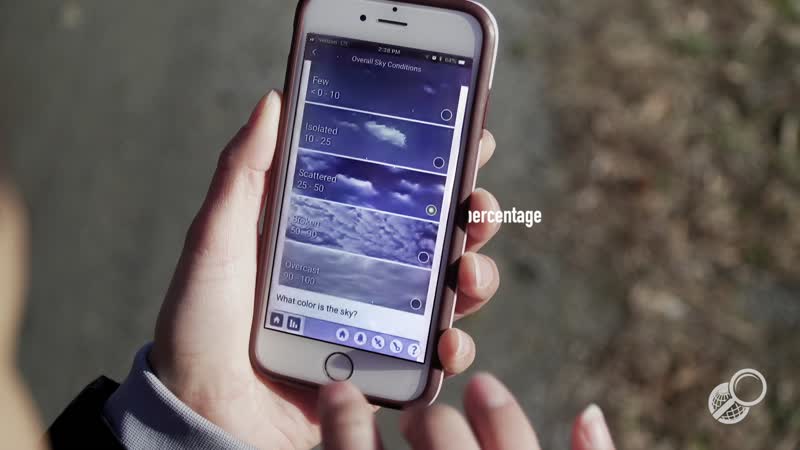
GLOBE Observer Clouds: Getting Started
Clouds are a major component of the Earth’s system that reflect, absorb, and scatter sunlight and infrared emissions from Earth. This affects how energy passes through the atmosphere. Different t...

KSC-06-S-00126
After a successful spacecraft separation, CloudSat joins CALIPSO in orbital formation with three other Earth observing satellites. CALIPSO stands for Cloud-Aerosol Lidar and Infrared Pathfinder Sat...

NISAR Mission Video
The joint U.S.-Indian NISAR satellite mission will use radar to observe a wide range of Earth processes, from the flow rates of glaciers and ice sheets to the dynamics of earthquakes and volcanos. ...

GPM Looks Inside a Snow Storm
On March 17, 2014 the Global Precipitation Measurement (GPM) mission's Core Observatory flew over the East coast's last snow storm of the 2013-2014 winter season. This was also one of the first maj...

LDCM Overview
The Landsat Data Continuity Mission (LDCM) is a collaboration between NASA and the U.S. Geological Survey that will continue the Landsat Program's 40-year data record of monitoring Earth's landscap...

KSC-05-S-00080
Joining the Fleet The latest polar-orbiting satellite in the TIROS-N fleet is set for launch from Vandenberg Air Force Base in California, aboard a Boeing Delta II rocket. Dubbed NOAA-N, the sate...

Our Living Planet From Space
Life. It's the one thing that, so far, makes Earth unique among the thousands of other planets we've discovered. Since the fall of 1997, NASA satellites have continuously and globally observed all ...
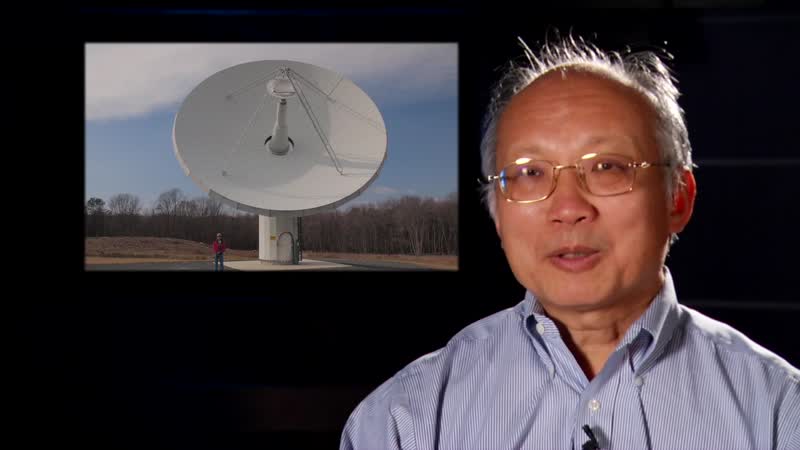
Space Geodesy Profiles: Chopo Ma
Scientists from NASA's Space Geodesy Project discuss the techniques they use to precisely measure the Earth's position in the universe, determine the Earth's center of mass, calibrate satellites, o...
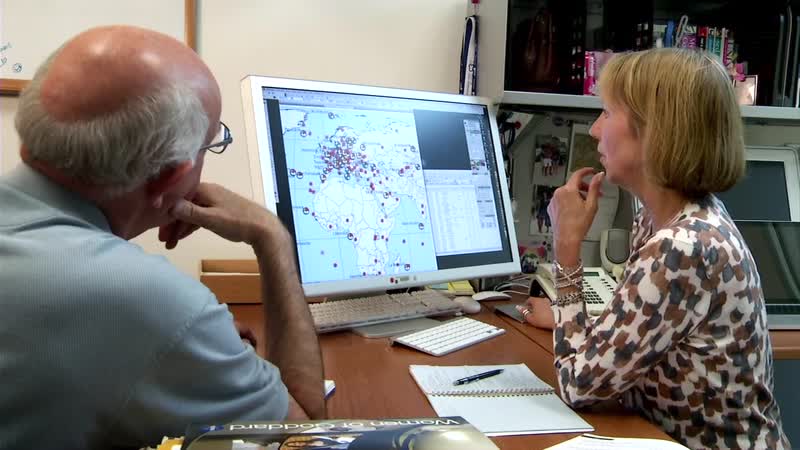
Space Geodesy Profiles: Carey Noll
Scientists from NASA's Space Geodesy Project discuss the techniques they use to precisely measure the Earth's position in the universe, determine the Earth's center of mass, calibrate satellites, o...

The Little Satellite That Could
The satellite was tiny, the size of a small refrigerator, only supposed to last one year and constructed and operated on a shoestring budget — yet it persisted for a total of 17 years on orbit. ...

Tracking Ocean Heat With Magnetic Fields
As Earth warms, much of the extra heat is stored in the planet’s ocean – but monitoring the magnitude of that heat content is a difficult task. A surprising feature of the tides could help, h...
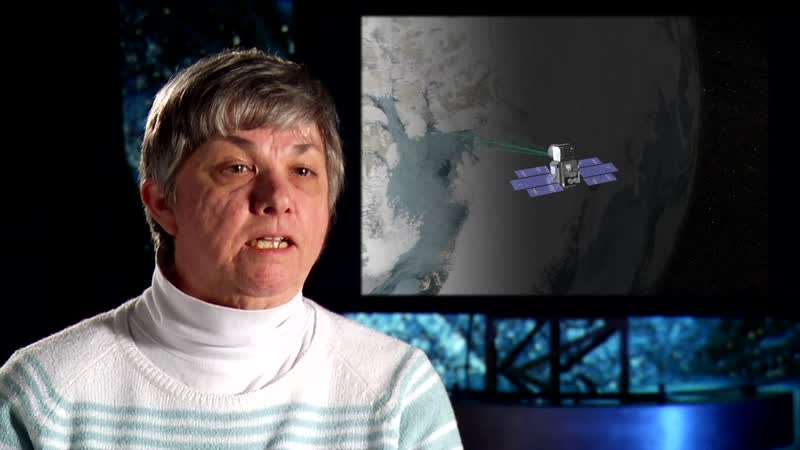
Space Geodesy Profiles: Jan McGarry
Scientists from NASA's Space Geodesy Project discuss the techniques they use to precisely measure the Earth's position in the universe, determine the Earth's center of mass, calibrate satellites, o...
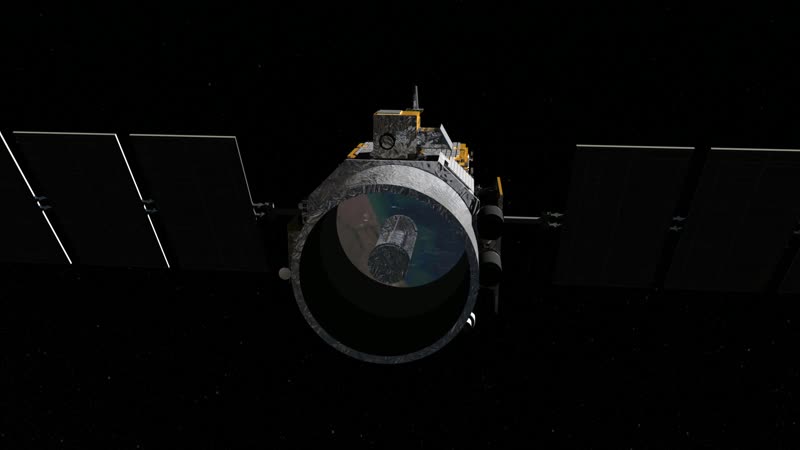
CALIPSO Spacecraft Beauty Shot Two
A variety of animated beauty passes of the CloudSat and the Cloud-Aerosol Lidar and Infrared Pathfinder Satellite Observation (CALIPSO) spacecraft. It studies the role that clouds and aerosols play...
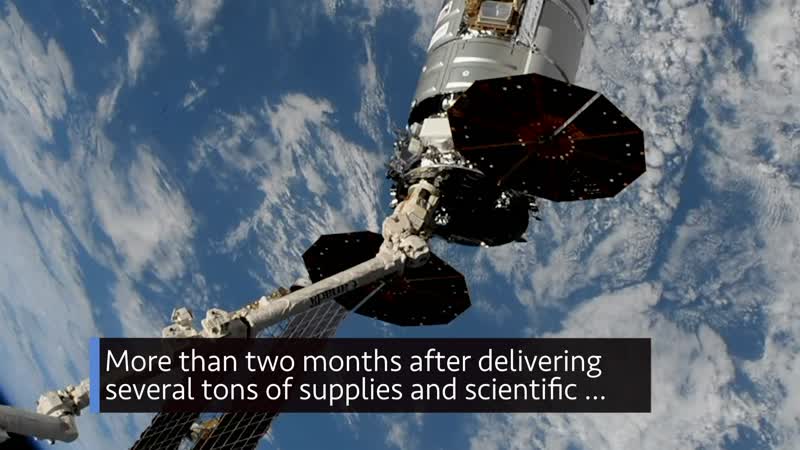
Resupply Mission Wraps Up at The Space Station on This Week @NASA – January 31, 2020
A resupply mission wraps up at the space station, a new name for an Earth-observing satellite, and preparing for an unprecedented peek at the Sun … a few of the stories to tell you about – This...
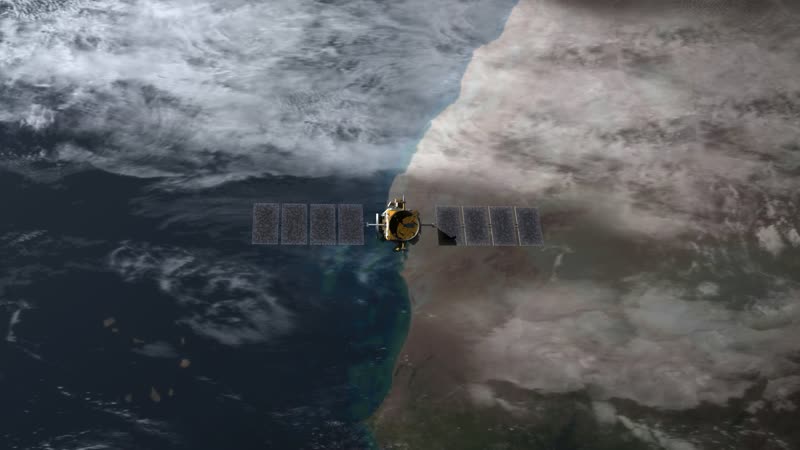
CALIPSO Spacecraft Beauty Shot One
A variety of animated beauty passes of the CloudSat and the Cloud-Aerosol Lidar and Infrared Pathfinder Satellite Observation (CALIPSO) spacecraft. It studies the role that clouds and aerosols play...

LDCM Launch Animation
The Landsat Data Continuity Mission (LDCM) is a collaboration between NASA and the U.S. Geological Survey that will continue the Landsat Program's 40-year data record of monitoring Earth's landscap...

KSC-11-S-00013
The Orbital Sciences Taurus XL rocket lifts off from Vandenberg Air Force Base in California carrying NASA's Glory spacecraft. The Earth-observing satellite was intended to improve our understandin...

KSC-11-S-00014
NASA Launch Commentator George Diller concludes coverage of the Glory_Taurus XL launch, which ended unsuccessfully after the rocket's fairing failed to separate. The Earth-observing satellite was i...
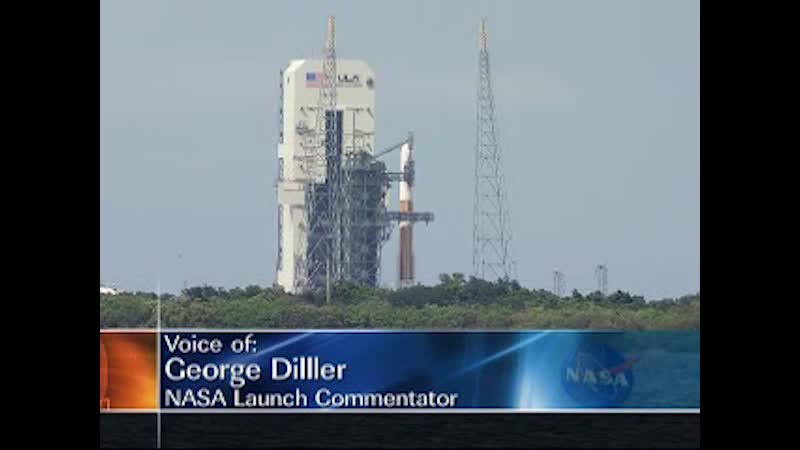
KSC-09-S-00068
NASA Commentator George Diller welcomes viewers to the countdown to launch of the GOES-O satellite aboard a United Launch Alliance Delta IV rocket. The latest Geostationary Operational Environmenta...